Kwaidan (1965)
In the tradition of "RASHOMON" and "GATE OF HELL."
Taking its title from an archaic Japanese word meaning "ghost story," this anthology adapts four folk tales. A penniless samurai marries for money with tragic results. A man stranded in a blizzard is saved by Yuki the Snow Maiden, but his rescue comes at a cost. Blind musician Hoichi is forced to perform for an audience of ghosts. An author relates the story of a samurai who sees another warrior's reflection in his teacup.
In Kwaidan, consciousness is carried by monsters and creatures — a plane of “Japanese ghost anthology”. The story fights on E8/E9 of the E0–E14 reality ladder, compressing fear, death, tradition.
Same rung, same subject
Films fighting at the same level of reality, about the same things.


Also hides consciousness here
Other films that move a human interior onto the same kind of thing.
 How to Train Your Dragon (2010)consciousness in monsters · dragon‑tinged Viking world
 How the Grinch Stole Christmas (2000)consciousness in monsters · Whoville holiday town
 Demon Slayer -Kimetsu no Yaiba- The Movie: Mugen Train (2020)consciousness in monsters · demon‑infested train
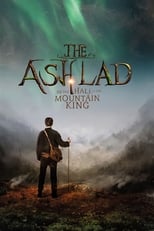 The Ash Lad: In the Hall of the Mountain King (2017)consciousness in monsters · Norwegian fairy‑tale realm
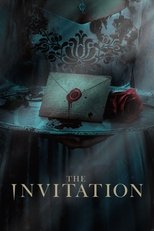 The Invitation (2022)consciousness in monsters · vampire manor
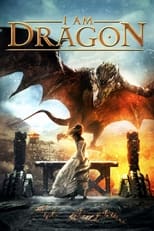 I Am Dragon (2015)consciousness in monsters · dragon‑ritual romance
Same subject, different mask
The same preoccupations carried by a different kind of thing — grief told through the dead, an animal, a machine.
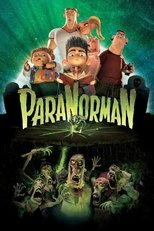 ParaNorman (2012)consciousness in the dead · death, fear
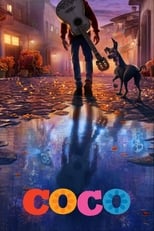 Coco (2017)consciousness in the dead · death, tradition
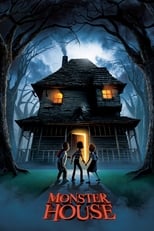 Monster House (2006)consciousness in objects · death, fear
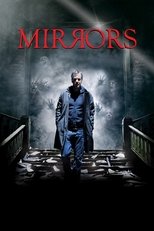 Mirrors (2008)consciousness in objects · death, fear
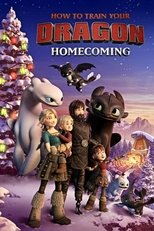 How to Train Your Dragon: Homecoming (2019)consciousness in animals · fear, tradition
 How to Train Your Dragon (2025)consciousness in animals · fear, tradition